
Contraception
Contraception options explained
An overview of the main types of contraception, the questions that help you choose between them, and how a clinician can support your decision.
Key points
- Methods fall into a few broad groups with different trade-offs.
- The best method is the one that suits your health and your life.
- Only condoms also help protect against sexually transmitted infections.
- You can change method whenever your needs change.
Start with what you want
Before comparing methods, it helps to think about what matters most to you:
- Do you want a pregnancy in the next year or two, later, or not at all?
- Would you rather not have to remember something every day?
- How do you feel about methods that contain hormones?
- Do you also need protection against sexually transmitted infections?
- Do you need a method that is discreet?
There are no wrong answers. They simply point towards different methods.
The main groups of methods
The World Health Organization groups contraceptive methods broadly as follows.
Long-acting and permanent methods
Implants and intrauterine devices (IUDs) are fitted by a trained clinician and then work for an extended period without you having to do anything. They are reversible: they can be removed if you want to become pregnant or change method. Sterilisation is intended to be permanent.
Hormonal methods used regularly
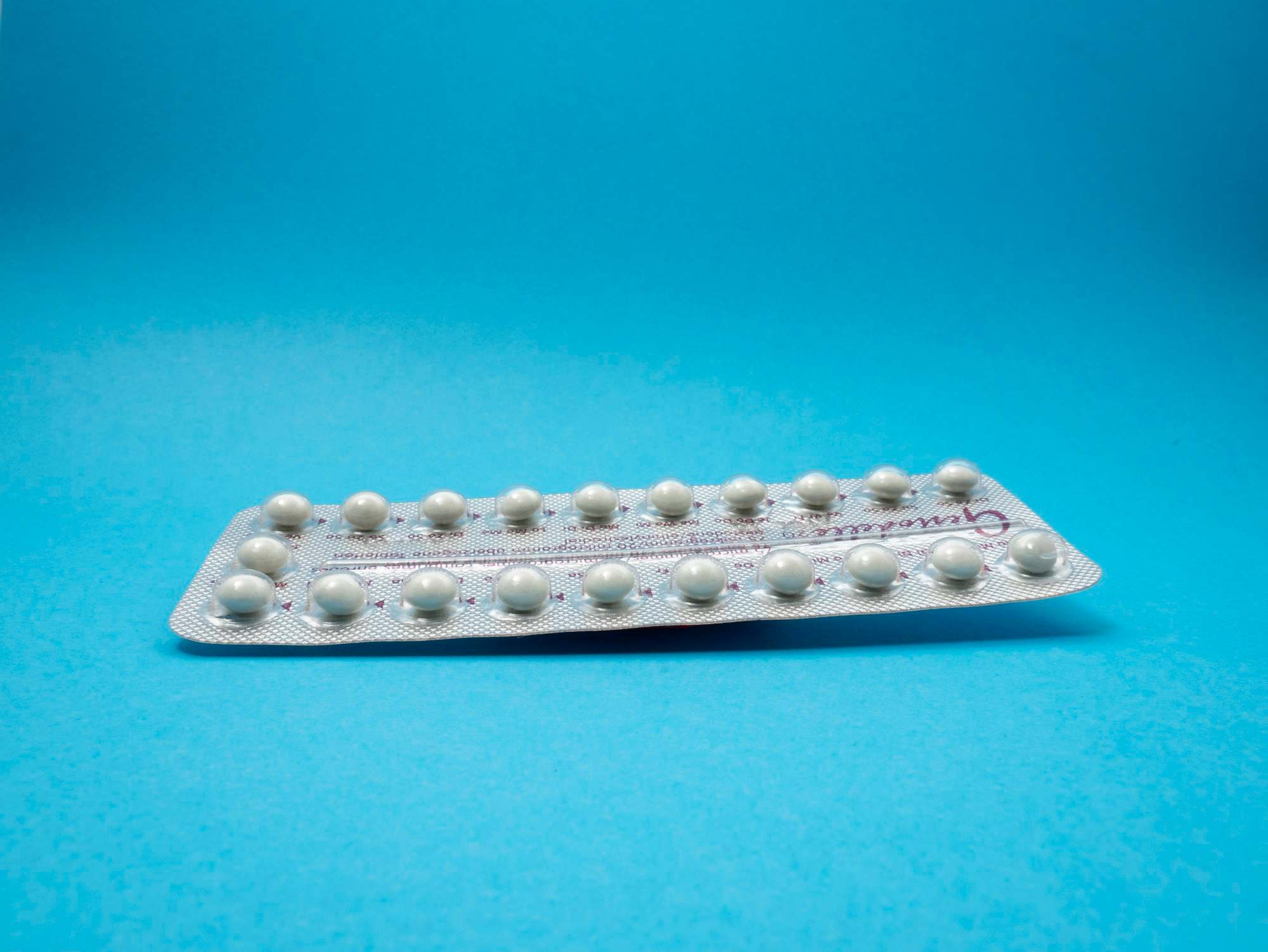
Pills, injections, patches and vaginal rings all use hormones and need to be taken, applied or repeated on a schedule. How often depends on the method.
Barrier methods
Condoms prevent sperm from reaching an egg. They are also the only type of contraception that helps protect against sexually transmitted infections, which is why they are often used alongside another method.
Fertility awareness-based methods and withdrawal
These rely on timing or behaviour rather than a device or medicine. The WHO describes them as generally less reliable.
Common worries
Will contraception affect my fertility later? The WHO states that modern contraceptive methods do not cause infertility.
What about side effects? Different methods have different side effects, and people respond differently. If a method does not suit you, that is a reason to try another, not to give up on contraception.
Is one method the most effective? Methods do differ in how reliable they are in everyday use. A clinician can take you through this for the methods you are considering.
How a clinician helps
Some methods are not suitable with certain health conditions or medicines. A clinician checks that, explains how each suitable method is used, and helps you match a method to your priorities. The choice remains yours.
After an abortion
It is possible to become pregnant again soon after an abortion, so contraception is often discussed as part of abortion care or at follow-up. There is no obligation to choose a method. See family planning and contraception.
Sources and further reading
- Family planning/contraception methods — fact sheet. World Health Organization.
- Choice on Termination of Pregnancy Act 92 of 1996 (as amended). Republic of South Africa.